27 Meta ad formats you've never used, with real examples
Change the creative format, not just the budget. Formats like a WhatsApp screenshot, a blind test, a founder story, a notes app list, a street interview, myth busting or a customer comment reply each reach people your current ads miss. Test one new format a week and keep the ones that hold their cost per result.
Most advertisers test the same three formats, a product shot, a talking head and a carousel, and then wonder why performance stalls. They raise the budget. They tweak the audience. Nothing moves.
On Meta, the creative is now the targeting. Each format pulls in a different kind of person. Run more of the same format and you reach more of the same people. Sometimes the breakthrough comes from changing the creative approach, not increasing the budget.
How did we pick the examples?
Every example below is a real ad from the Marxx AI ad library that the brand kept running for at least 60 days. Brands rarely pay for an ad that long unless it is working, so time live is the best public sign of performance we have. Video ads play right here on the page; image ads are shown as they ran. They come from many industries, and many are Indian brands.
The 27 formats
1. Failed prototype to final product
Show the ugly first version, then the one you sell. It turns your product’s development into proof that you sweated the details.
Use it for: Physical products with a real design story: bags, shoes, kitchenware, skincare formulas.
Example: we could not find a long-running ad that truly uses this format, which is the opportunity. Almost nobody is doing it.
2. WhatsApp message screenshot
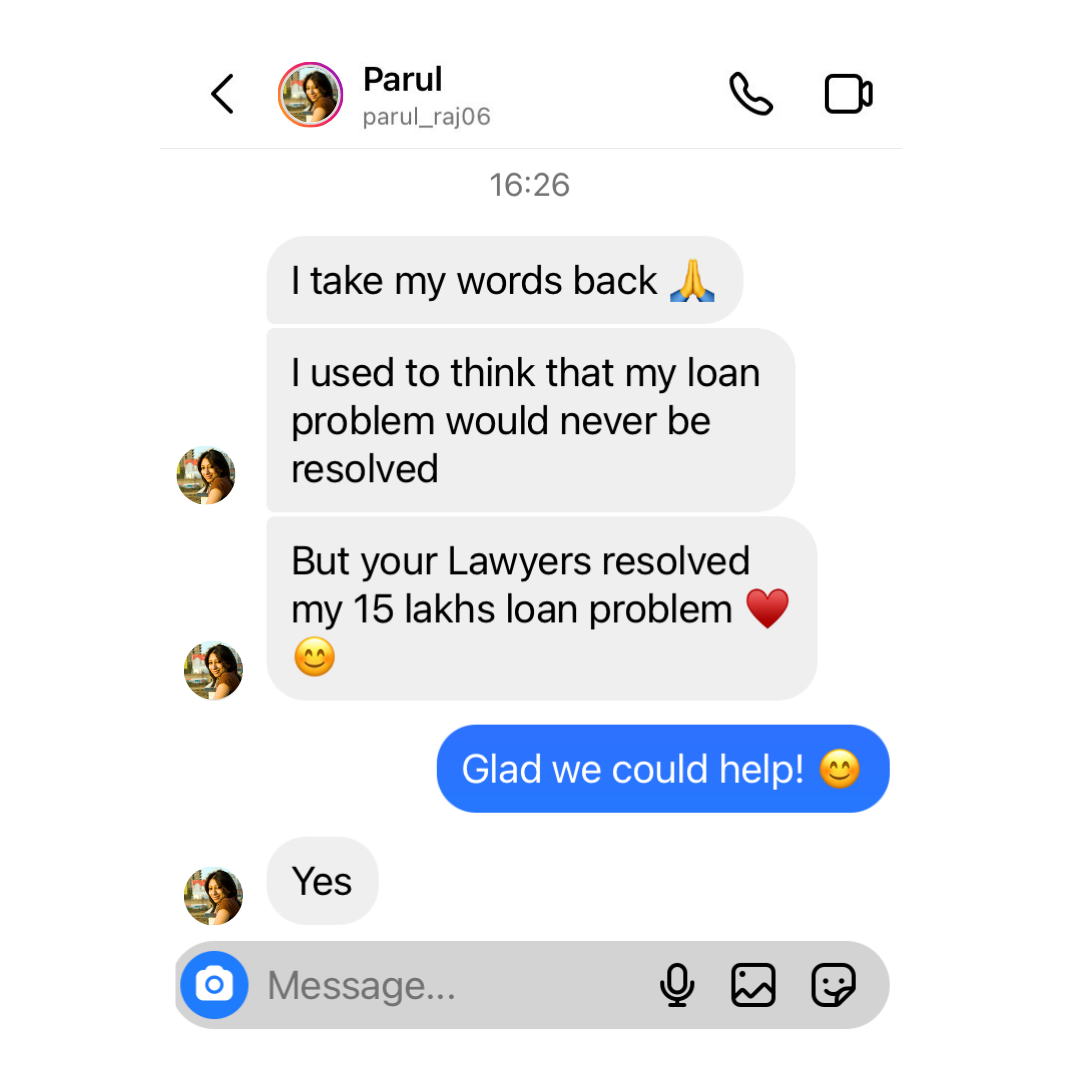
A chat thread where a customer thanks you. It reads as a private message the viewer was not meant to see, which is why people believe it.
Use it for: Services where trust is the barrier: finance, legal, coaching, healthcare.
Example: Lawyer Panel (Legal services, India). A customer thanks the firm for clearing a ₹15 lakh loan problem. Still running after 204 days.
3. Blind test
Strangers taste or try your product without the label and pick it. The audience judges the reaction, not your claim.
Use it for: Food, drinks and anything where you claim to taste, feel or smell better.
Example: Country Delight (Dairy, India). A blind taste challenge for its buffalo milk. Still running after 101 days.
4. Founder story
The person who started the brand says why, on camera, in their own words. People buy from people.
Use it for: Young brands with a founder willing to be on screen.
Example: NOIA Chocolate (Chocolate, Australia). “I had no prior experience in anything relevant to starting a chocolate business, but here we are.” Still running after 285 days.
5. Product stress test
Push the product past normal use and film what happens. It answers “will it last?” before anyone asks.
Use it for: Durable goods: luggage, electronics, outdoor gear, phone cases.
Example: Tapo by TP-Link (Home security). A creator puts its solar security camera to the test before trusting it. Still running after 68 days.
6. Notes app
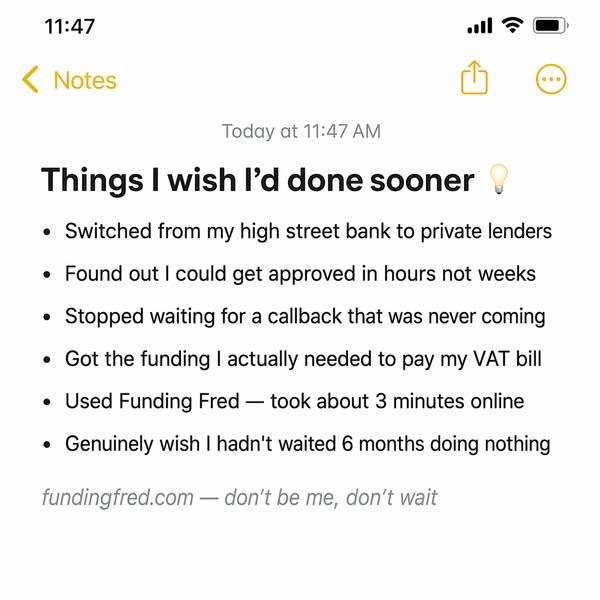
Your message typed into a phone’s Notes app. It looks like a personal list, not an ad, so it gets read.
Use it for: Lists, lessons and confessions: “things I wish I’d known”.
Example: Funding Fred (Business finance, UK). “Things I wish I’d done sooner”, a bullet list ending with the brand. Ran 96 days.
7. Street interview
Stop real people on the street and ask one sharp question. The answers do the selling.
Use it for: Any category with a common pain people will admit to on camera.
Example: Auto Buddy (Car finance, Australia). “We’re asking people in Melbourne how much they pay for their car each month.” Still running after 86 days.
8. How it’s made
Walk through how the product is made. Process is proof of quality, and it justifies a higher price.
Use it for: Food, crafts and anything where the method is the difference.
Example: Conscious Food (Ghee, India). Farm to jar, showing its ghee made the traditional bilona way. Still running after 119 days.
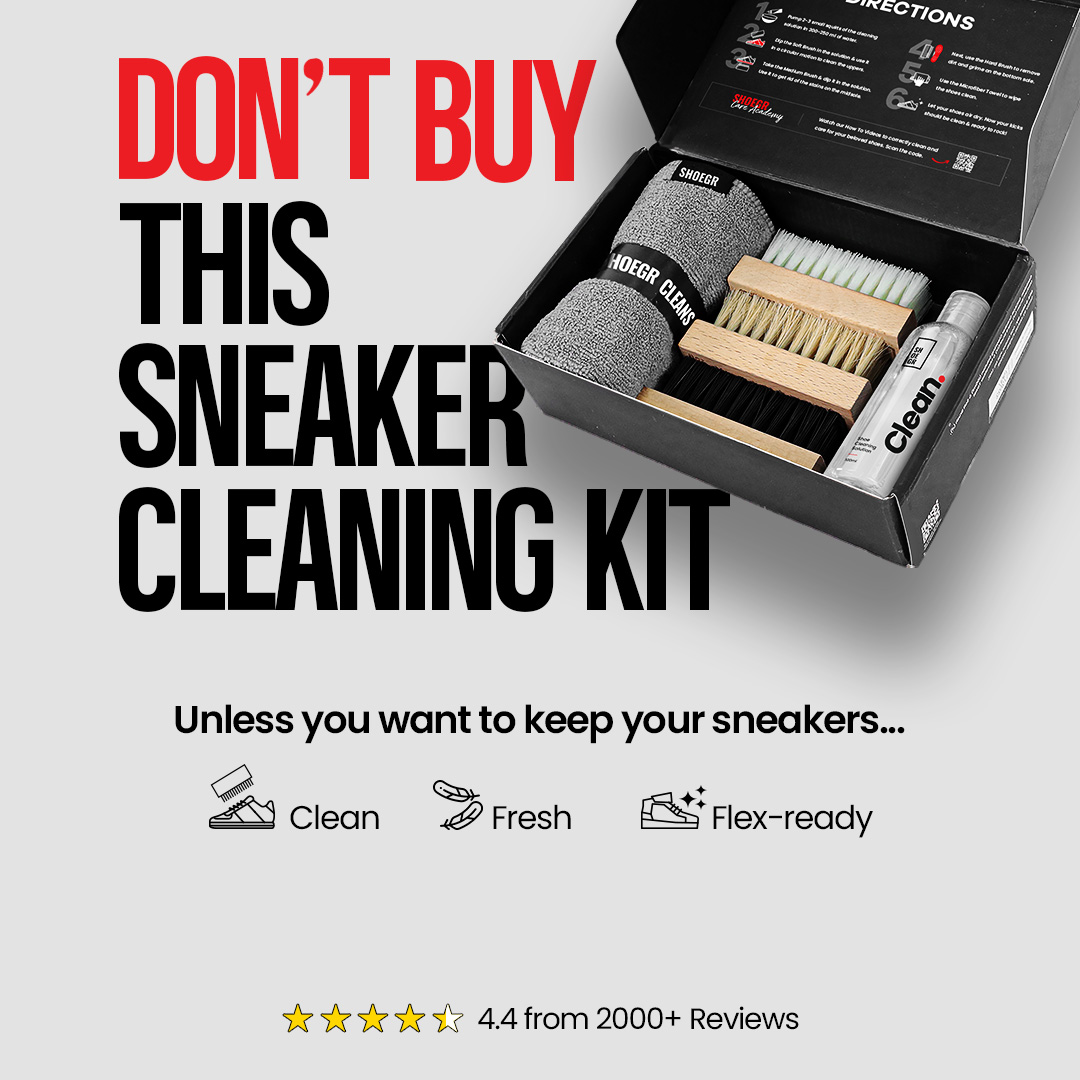
9. Don’t buy this if
Tell the wrong customer to stay away. The reverse psychology stops the scroll, and the right customer feels chosen.
Use it for: Products with a clear ideal buyer.
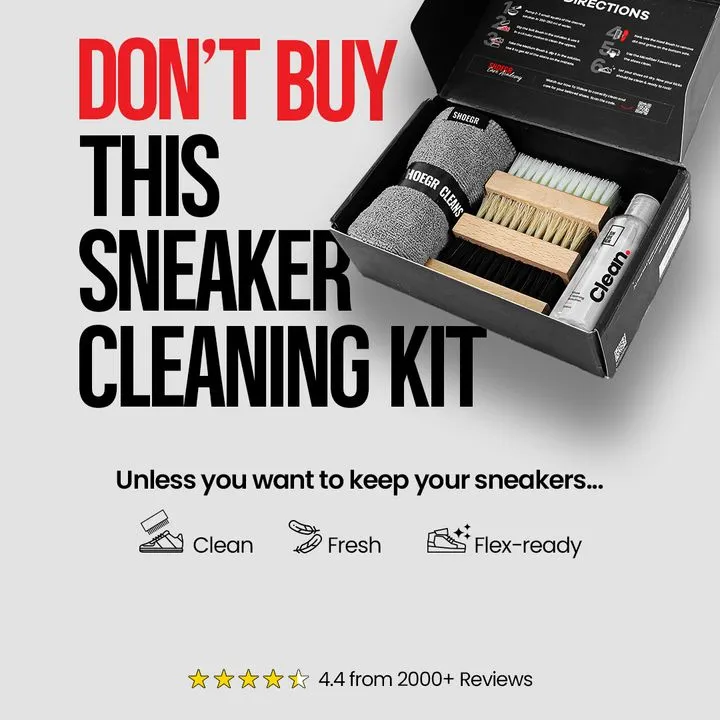
Example: SHOEGR (Sneaker care). “Don’t buy this sneaker cleaning kit unless you want to keep your sneakers clean.” Ran 85 days.
10. Camera roll or photo dump
A burst of casual phone photos, like a friend’s camera roll. It feels lived-in, not produced.
Use it for: Fashion, travel, food, lifestyle.
Example: Neemans (Footwear, India). A photo-dump story on a phone screen: “If I’m keeping just one pair you already know the answer.” Ran 61 days.
11. Product teardown
Take the product apart, literally or by ingredient, and show what is inside. Confidence sells.
Use it for: Anything with a quality claim inside it: food labels, electronics, mattresses.
Example: The Whole Truth (Food, India). “We publish our recipes. Every ingredient. Every %.” Ran 112 days.
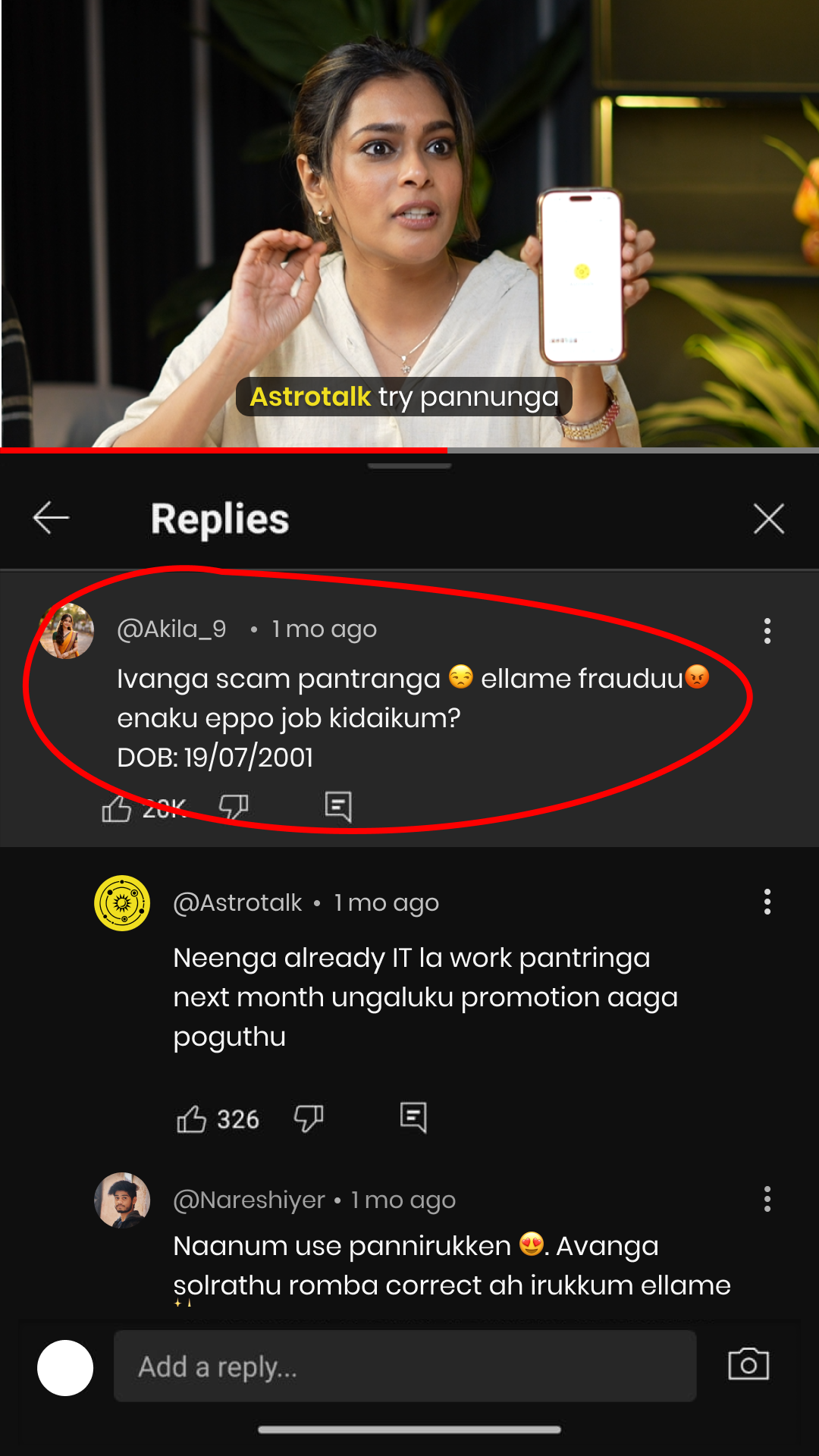
12. Customer comment reply
Put a real objection from your comments on screen and answer it. Facing the doubt head on builds trust.
Use it for: Any brand whose comments carry the same objection again and again.
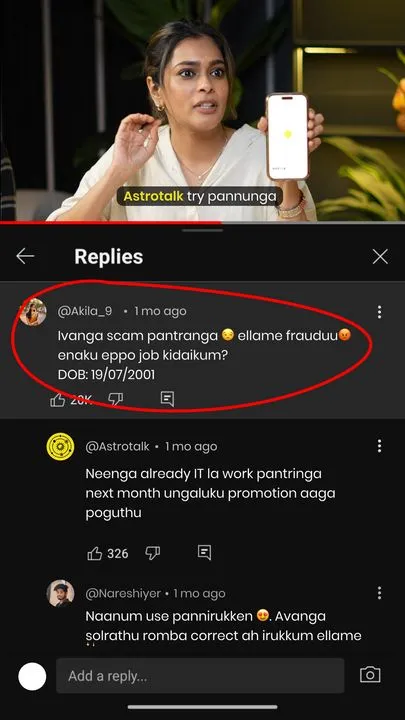
Example: Astrotalk (Astrology app, India). Leads with a comment calling the service a scam, then answers it. Ran 62 days.
13. Day 1 to Day 30 diary
A creator logs their use of the product day by day. Progress over time is more convincing than one before and after.
Use it for: Skincare, supplements, fitness, habits.
Example: Plix (Wellness, India). “Day 16 & 17: vacation mood ON”, one entry in a creator’s running diary. Ran 116 days.
14. Whiteboard explanation
Someone explains one idea on a whiteboard. It feels like a lesson, not a pitch.
Use it for: Finance, software, anything that needs explaining.
Example: Bachatt (Savings app, India). A presenter lists signs of money trouble, then pitches saving ₹101 a day. Still running after 113 days.
15. First time reaction
Film someone using or tasting the product for the first time. Genuine surprise is hard to fake.
Use it for: New or unfamiliar products.
Example: Organik Truck (Exotic fruit). “Trying mangosteen for the first time, and I’m obsessed already.” Still running after 141 days.
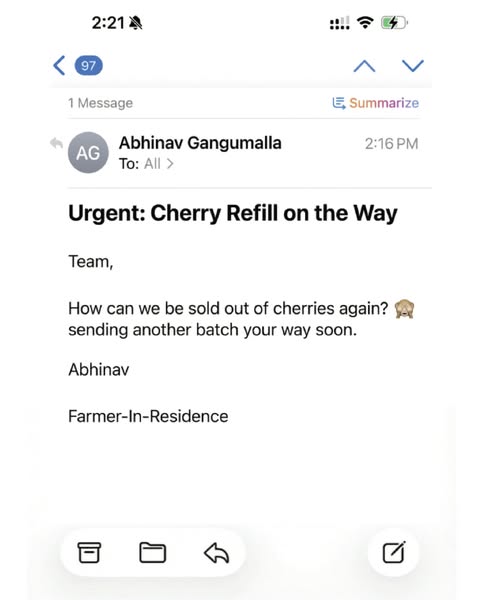
16. Email screenshot
A mock email, often an internal one, that lets the viewer peek behind the curtain. Scarcity and urgency read as real.
Use it for: Launches, restocks and limited runs.
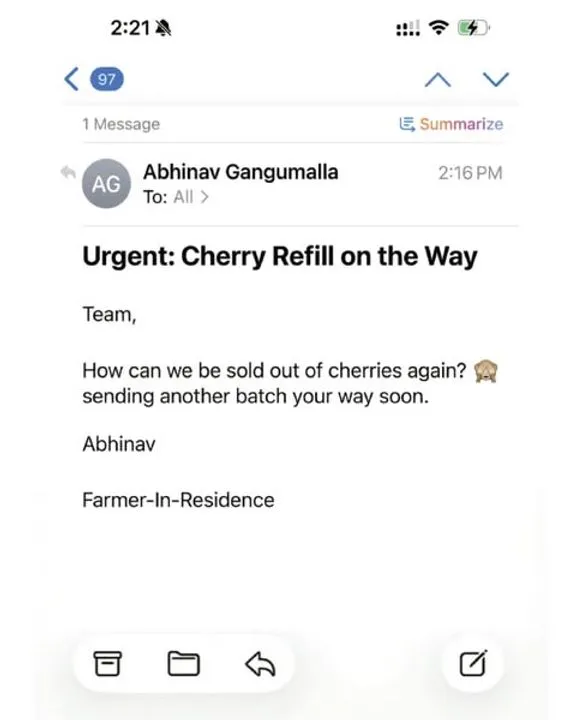
Example: Foodstories (Premium grocery, India). “Urgent: Cherry refill on the way. How can we be sold out of cherries again?” Ran 118 days.
17. Packing orders
Film your team packing real orders. It shows demand and care at the same time.
Use it for: Small D2C brands, gifting, handmade goods.
Example: Chummys Bakery (Bakery, UK). A behind-the-scenes clip: “The sweetest part will always be the memories behind every order.” Still running after 63 days.
18. Podcast style conversation
Two people talk, podcast-style, about the product or the problem. Long-form trust in a short ad.
Use it for: Brands with a founder or expert who talks well.
Example: Akshayakalpa (Organic dairy, India). An interviewer asks the founder about milk purity and antibiotic testing. Ran 116 days.
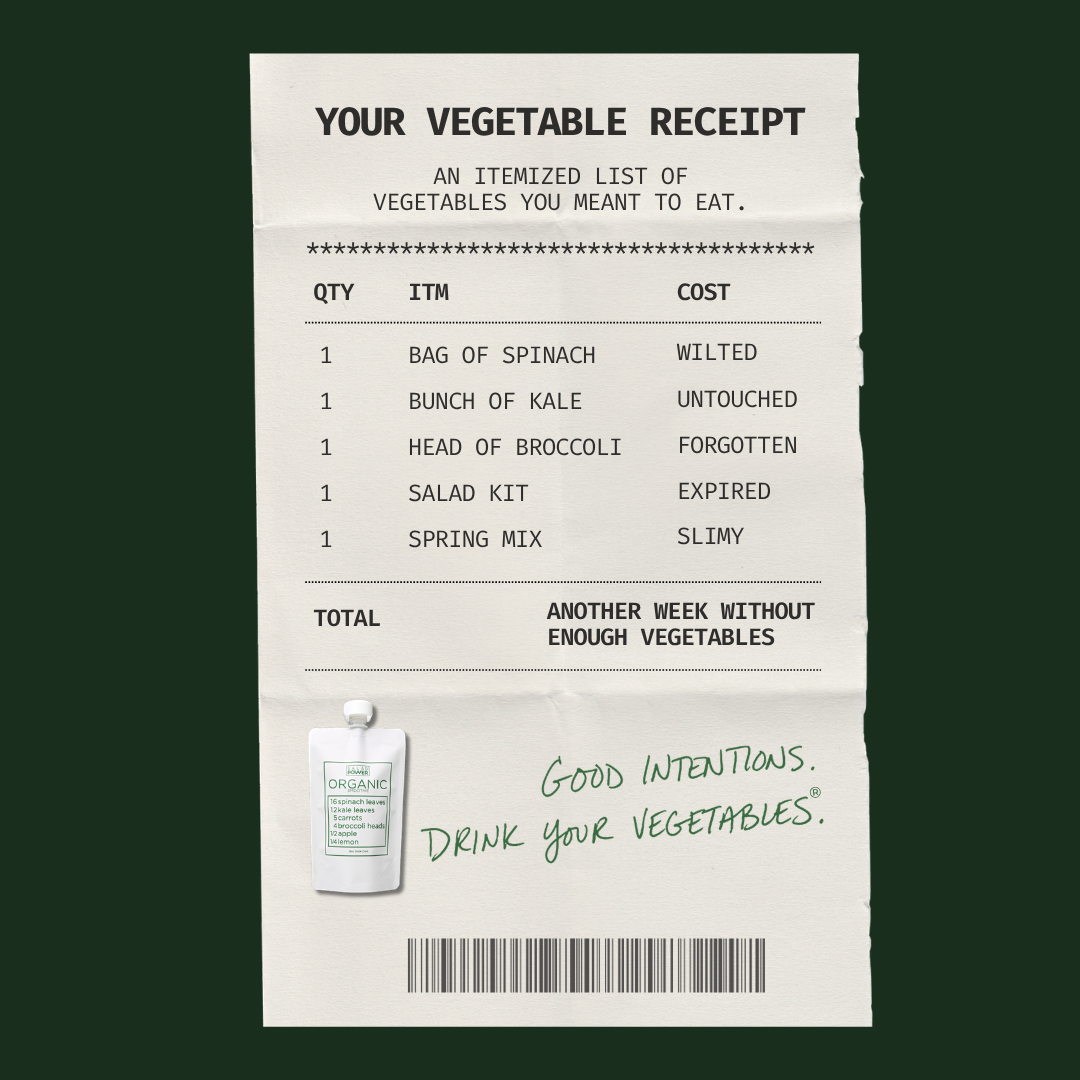
19. Price breakdown
Itemise the cost, line by line, so the price makes sense. A receipt format is instantly familiar.
Use it for: Premium products that need to justify their price.
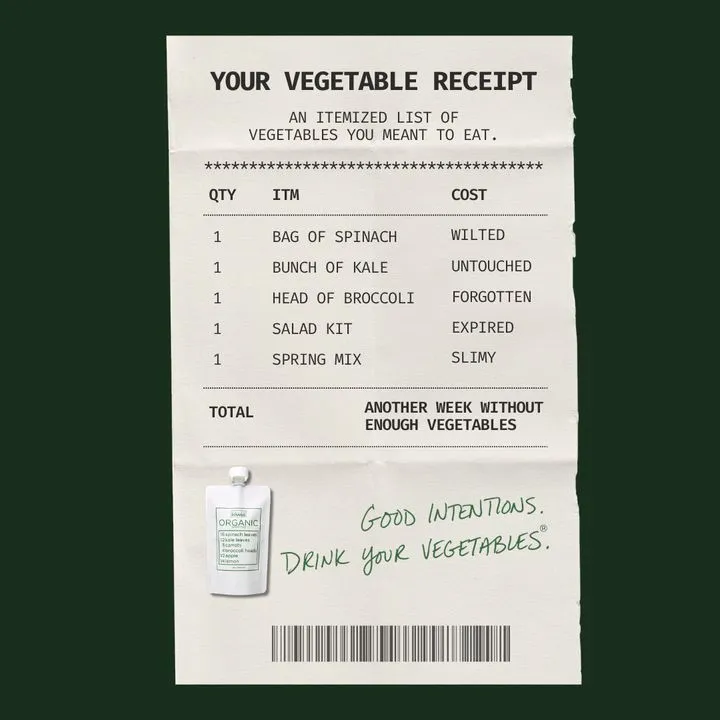
Example: SaladPower (Vegetable drinks, US). A “vegetable receipt” of produce bought and never eaten. Still running after 88 days.
20. Unboxing
Open the box on camera. The packaging and first look sell the experience of owning it.
Use it for: Gifting, premium and anything with packaging worth showing.
Example: Bombay Shaving Company (Grooming, India). Unwrapping a gift box for its trimmer special edition. Still running after 148 days.
21. Myth busting
Name the myths that stop people buying, and knock them down one by one.
Use it for: Categories full of misconceptions: finance, health, insurance.
Example: Carfinance4u (Car finance, UK). A presenter with a board of “3 myths” about car finance. Still running after 102 days.
22. Screen recording
Record the screen and show the product working. Nothing explains software faster.
Use it for: Apps, SaaS, online services.
Example: Foreplay (Software). A founder talks over recordings of the tool saving ads. Ran 315 days.
23. Customer mini documentary
A short film about one customer’s life, with the product in it. Story first, product second.
Use it for: Brands with customers whose stories are bigger than the product.
Example: Minimalist (Skincare, India). The story of one customer’s career change and motherhood, with skincare woven in. Ran 63 days.
24. Founder demo
The founder shows the product working, in person. It carries the weight of someone with everything at stake.
Use it for: Founder-led brands with a feature worth showing.
Example: FirstClub (Grocery delivery, India). The CEO shows how every fruit batch is tested for sweetness with a Brix meter. Ran 115 days.
25. Raw customer review
A customer talks, unpolished, about why they buy. The rougher it looks, the more it is believed.
Use it for: Local and service businesses where word of mouth already works.
Example: Freshyzo (Dairy delivery, India). A local business owner vouches for its milk and paneer. Still running after 88 days.
26. Day in a life
Follow someone through their day with the product as part of it. It sells the life, not the feature.
Use it for: Wearables, fitness, food, anything used daily.
Example: WHOOP (Health wearables). A day-in-the-life vlog of a routine tracked with WHOOP. Ran 93 days.
27. Expert explainer
An expert explains the science behind the product. Authority does the convincing.
Use it for: Health, nutrition, finance, any claim that needs credibility.
Example: Hormone Specialist (Supplements, US). An expert explains a brain protein to sell an omega-3 capsule. Still running after 138 days.
How should you test them?
- Pick two formats your account has never run. Start with the ones closest to what you already have: a founder story if your founder is on camera, a customer comment reply if your comments are full of the same question.
- Put them in your testing campaign, against your current best ad. Same audience, same budget.
- Judge on cost per result after a week. Not on click-through rate, and not on the first two days.
- Keep the winners, and move them to scaling. A format that holds its cost per result is a new door into your market.
More on how we structure testing and scaling sits in what campaign structure is working on Meta, and on why the creative now does the targeting in what’s left of Meta targeting.
Ask me anything about this post
Frequently asked questions
Why do new ad formats improve Meta performance?
Because on Meta the creative now does the targeting. Each format draws a different kind of person to stop and watch, so a new format finds people your current ads never reached. More of the same format only finds more of the same people.
How did you choose these examples?
From the Marxx AI ad library, we picked ads in each format that the brand kept running for at least 60 days. Brands rarely pay for an ad that long unless it works, so time live is the best public signal of performance.
How many formats should you test at once?
One or two new formats a week, in your testing campaign, against your current best ad. Judge them on cost per result over at least a week, not on the first two days.
Do these formats work for lead generation as well as ecommerce?
Yes. Formats built on trust, such as the WhatsApp screenshot, the customer comment reply, the whiteboard explanation and the expert explainer, often work best for lead generation and services.
Sources
- Marxx AI ad library, ads live 60 days or more, accessed October 2026 — Marxx AI, accessed 30 Oct 2026
Related reading
-
You can now pick age and gender per creative inside one Meta ad set
Meta's new "Choose an audience for each ad creative" lets one ad set aim each creative at its own age and gender. How it works, its limits and when to use it.
-
The Meta campaign structure working for us in October 2026
Two campaigns, one ad set each: a scaling campaign for proven ads and a testing campaign for the next one. Real numbers from a live account.
-
Your Meta frequency and device reports may be empty without warning
Since 6 August 2026 three Meta Insights breakdowns return no data unless an admin opts the ad account in. Which ones, how to check, and how to fix it.
Ask this site
Answers are generated from published posts on this site only. Check the cited post before acting on anything.